Transmission Care for Manual and Automatic Drivers
Transmissions translate engine output into usable wheel speed — whether through a clutch and gearset or a torque converter and planetary gears. Each design has distinct wear patterns, fluid requirements, and failure modes. Understanding those differences helps you recognize early symptoms and adopt driving habits that extend component life.
Manual Transmission Essentials
Manual gearboxes rely on synchronizers to match shaft speeds during shifts. Hard, rushed shifts — especially when the transmission is cold — accelerate synchro wear. Clutch components absorb engagement shock; riding the clutch pedal partially disengages the friction disc and generates heat that shortens its lifespan. A healthy manual transmission shifts smoothly with minimal resistance. Grinding, difficulty finding gears, or popping out of gear under load indicate worn synchros, linkage problems, or internal bearing failure.
Clutch Symptoms Worth Monitoring
Clutch chatter — a jerking sensation during takeoff — may stem from contaminated friction surfaces, a failing pressure plate, or oil contamination from a rear main seal leak. A clutch that engages near the top of pedal travel suggests wear. Slippage under acceleration, where RPM rises without proportional speed gain, means the clutch cannot transfer full torque. These conditions worsen progressively; delaying service risks damage to the flywheel and input shaft bearings.
Automatic Transmission Fluid and Shifting
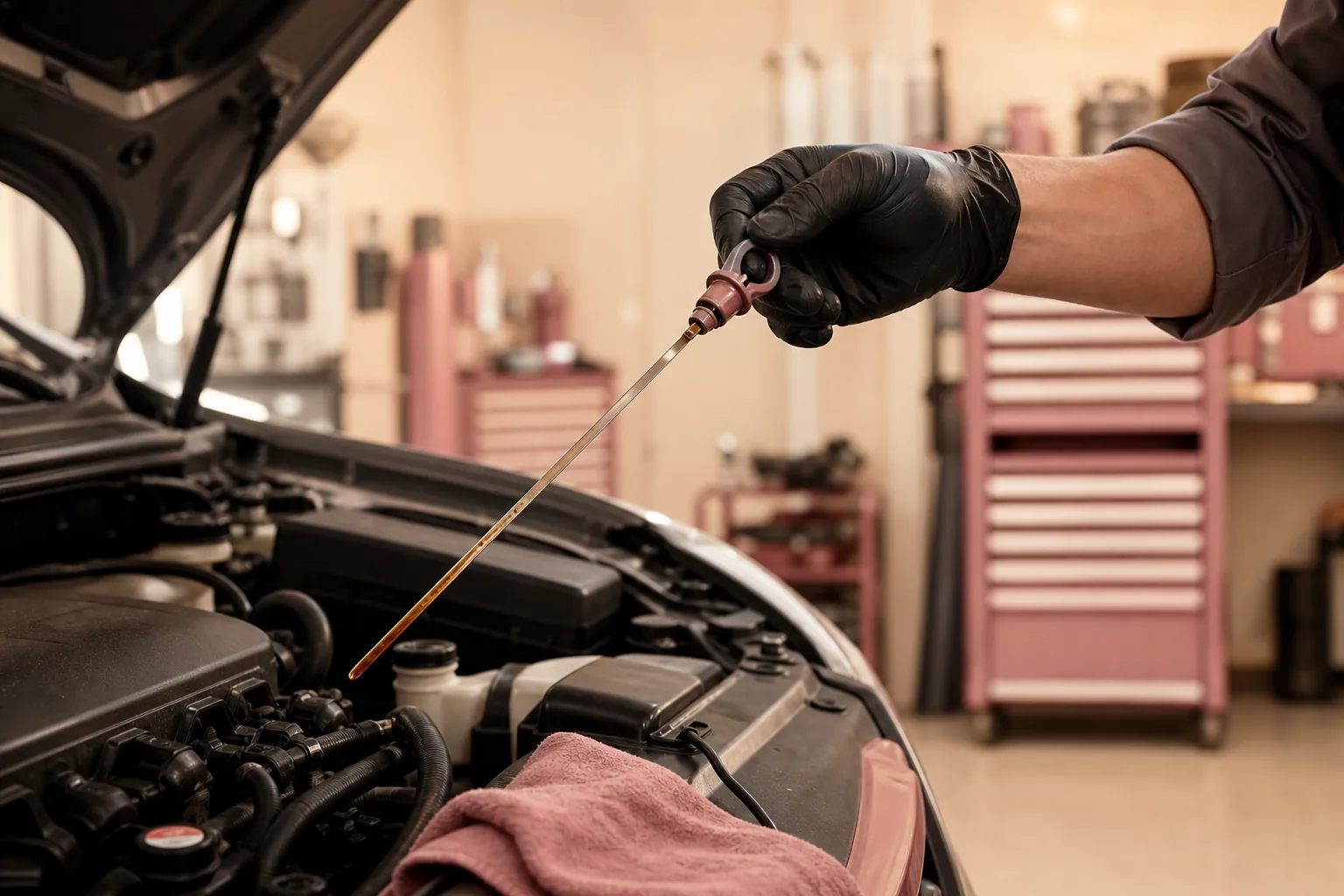
Automatic transmissions depend on hydraulic pressure and precisely formulated fluid. Discolored, burnt-smelling fluid or debris on the dipstick indicates overheating or internal wear. Delayed or harsh shifts, slipping between gears, or unexpected downshifts under steady throttle often trace to low fluid level, degraded fluid, solenoid issues, or valve body wear. Many modern units use sealed systems without a conventional dipstick; service intervals and procedures vary widely by manufacturer and must be followed exactly.
Continuously Variable and Dual-Clutch Units
CVTs use a belt or chain between variable pulleys and require specific fluid types. Shudder during acceleration may indicate belt slip or fluid breakdown. Dual-clutch transmissions blend manual efficiency with automatic convenience but demand software updates and fluid changes on strict schedules. Hesitation from a stop or rough low-speed behavior in DCT-equipped vehicles often relates to clutch adaptation values or contaminated fluid rather than conventional torque converter issues.
Driving Habits That Reduce Wear
Allow brief warm-up before aggressive shifts in cold weather. Avoid holding a manual vehicle on an incline using clutch slip alone — use the parking brake to hold position. For automatics, come to a complete stop before shifting from drive to reverse. When towing or carrying heavy loads, monitor transmission temperature if your vehicle provides that data. Periodic fluid inspection and filter replacement where applicable remain the most effective preventive measures for both transmission types.
When to Seek Professional Diagnosis
Transmission repairs escalate quickly in cost when internal damage spreads. Scan tools can read fault codes from transmission control modules, and pressure tests reveal hydraulic health in automatic units. At keratinocyte, we evaluate fluid condition, shift quality, and mechanical noise before recommending service — whether that means a fluid exchange, clutch replacement, or deeper internal work based on measured evidence.