Brake System Maintenance: What Wear Looks Like
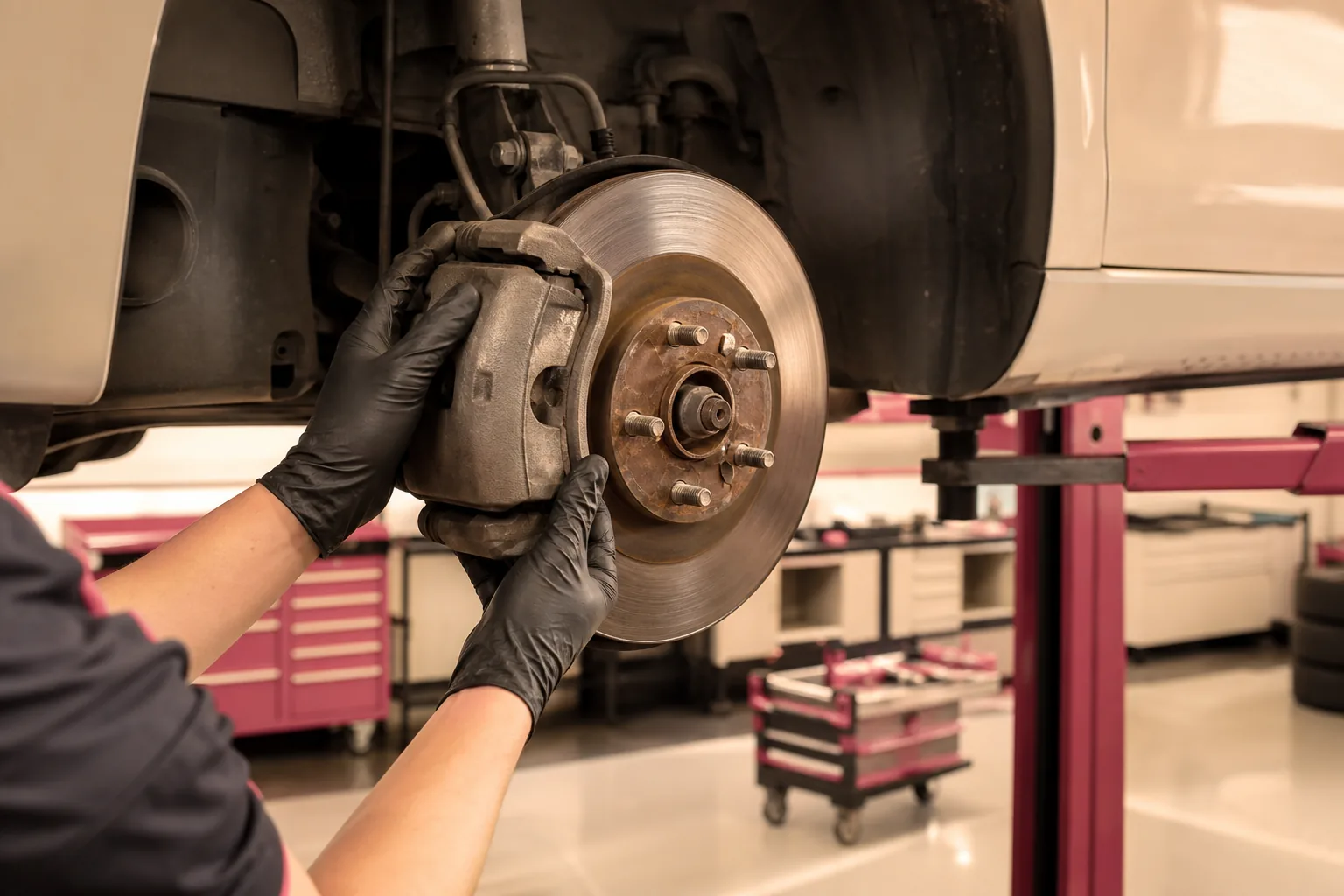
Your brake system converts kinetic energy into heat through friction — a process that gradually wears pads, rotors, and hardware. Because wear happens incrementally, many drivers adapt to subtle changes in pedal feel and stopping distance without realizing how far performance has declined. Recognizing the signs of each wear stage helps you schedule service before safety margins erode.
Understanding Pad and Rotor Lifecycles
Brake pads contain friction material bonded to a backing plate. As that material thins, the caliper piston travels farther to maintain contact with the rotor. Most pads include wear indicators — small metal tabs that contact the rotor and produce a high-pitched squeal when replacement is due. Rotors have a minimum thickness specification stamped or published by the manufacturer. Once rotors fall below that limit, they cannot dissipate heat effectively and must be replaced or resurfaced if enough material remains.
Pulsation and Vibration Under Braking
A pulsing brake pedal or steering wheel shake during moderate stops usually indicates rotor thickness variation or warping. Heat cycles, hard stops, and uneven pad deposits create high and low spots on the rotor surface. Light machining can restore a true surface if enough rotor material remains. Severe warping or deep scoring requires replacement. Addressing pulsation early prevents uneven pad wear and restores consistent stopping power.
Squeal, Grind, and Extended Stopping Distance
Occasional squeal in damp conditions may be normal surface noise, but persistent squeal during dry stops suggests glazed pads or worn indicators. A grinding sound means metal-on-metal contact — the friction material is gone and the backing plate is scoring the rotor. This condition demands immediate service. If you notice the pedal travels farther before the vehicle slows, or the car pulls to one side under braking, inspect caliper slide pins, hose integrity, and pad thickness on all corners.
Brake Fluid and Hydraulic Health
Brake fluid absorbs moisture over time, lowering its boiling point and increasing the risk of pedal fade during repeated hard stops. Dark or cloudy fluid, a soft pedal, or slow pedal return may indicate contamination or internal seal wear in the master cylinder or calipers. Most manufacturers recommend fluid replacement on a defined interval. During any brake service, technicians should inspect lines, hoses, and fittings for corrosion, swelling, or leaks that compromise hydraulic pressure.
Inspection Habits That Protect You
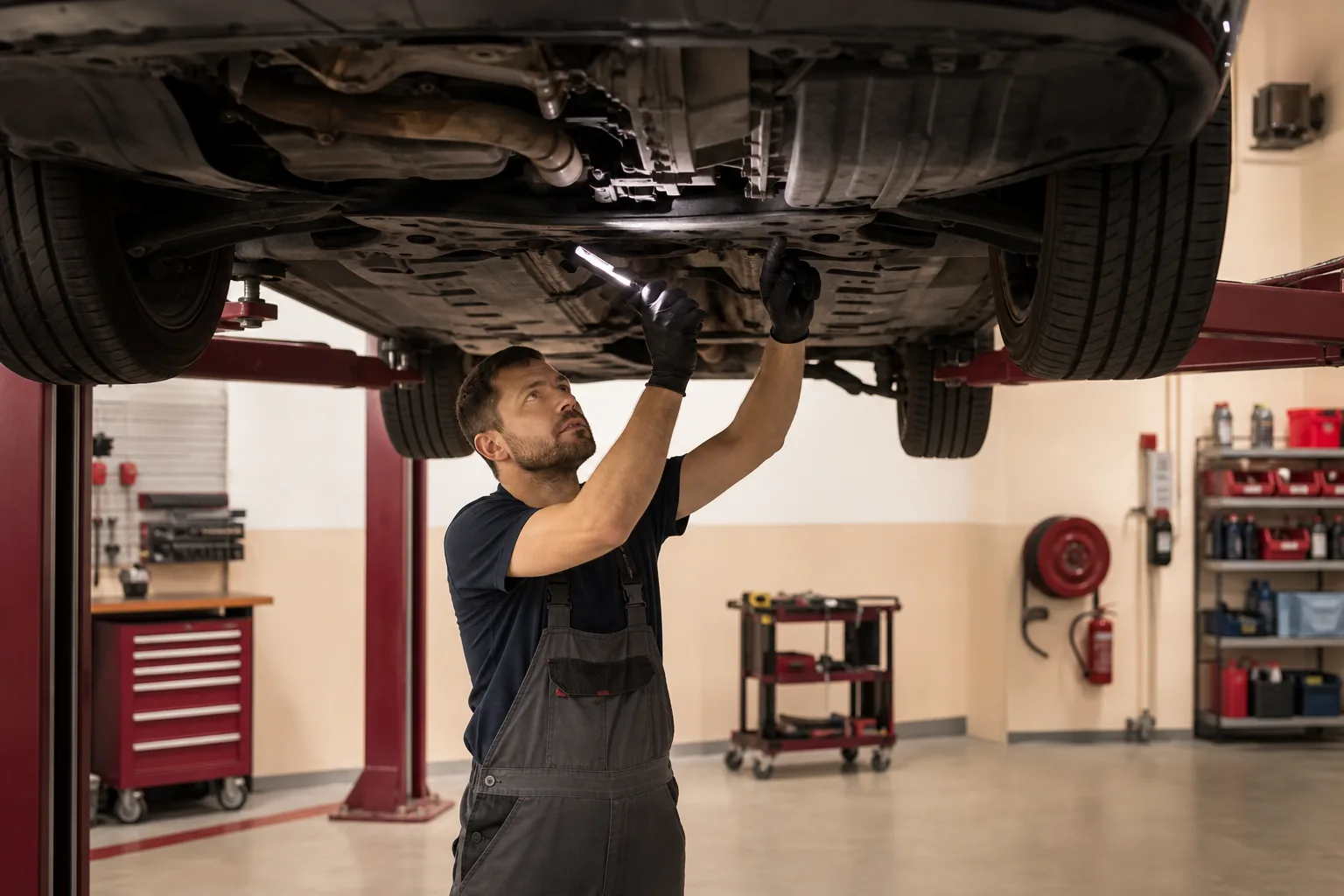
Visual checks through wheel spokes reveal pad thickness on many vehicles. Listen for changes in noise during your regular driving routes. Note whether the vehicle stops in a straight line and whether the parking brake holds on inclines. A professional inspection at keratinocyte includes rotor measurement, caliper operation, hardware condition, and fluid testing — giving you a clear picture of remaining service life rather than a generic replacement recommendation.