Engine Warning Signs You Should Never Ignore
Modern engines communicate problems through a combination of dashboard alerts, changes in sound, and shifts in how the vehicle responds under load. Some symptoms develop gradually and can be mistaken for normal wear. Others appear suddenly and signal conditions that can escalate quickly if left unaddressed. At keratinocyte, we see a consistent set of warning patterns that drivers often overlook until a minor issue becomes a major repair.
When the Check Engine Light Stays On
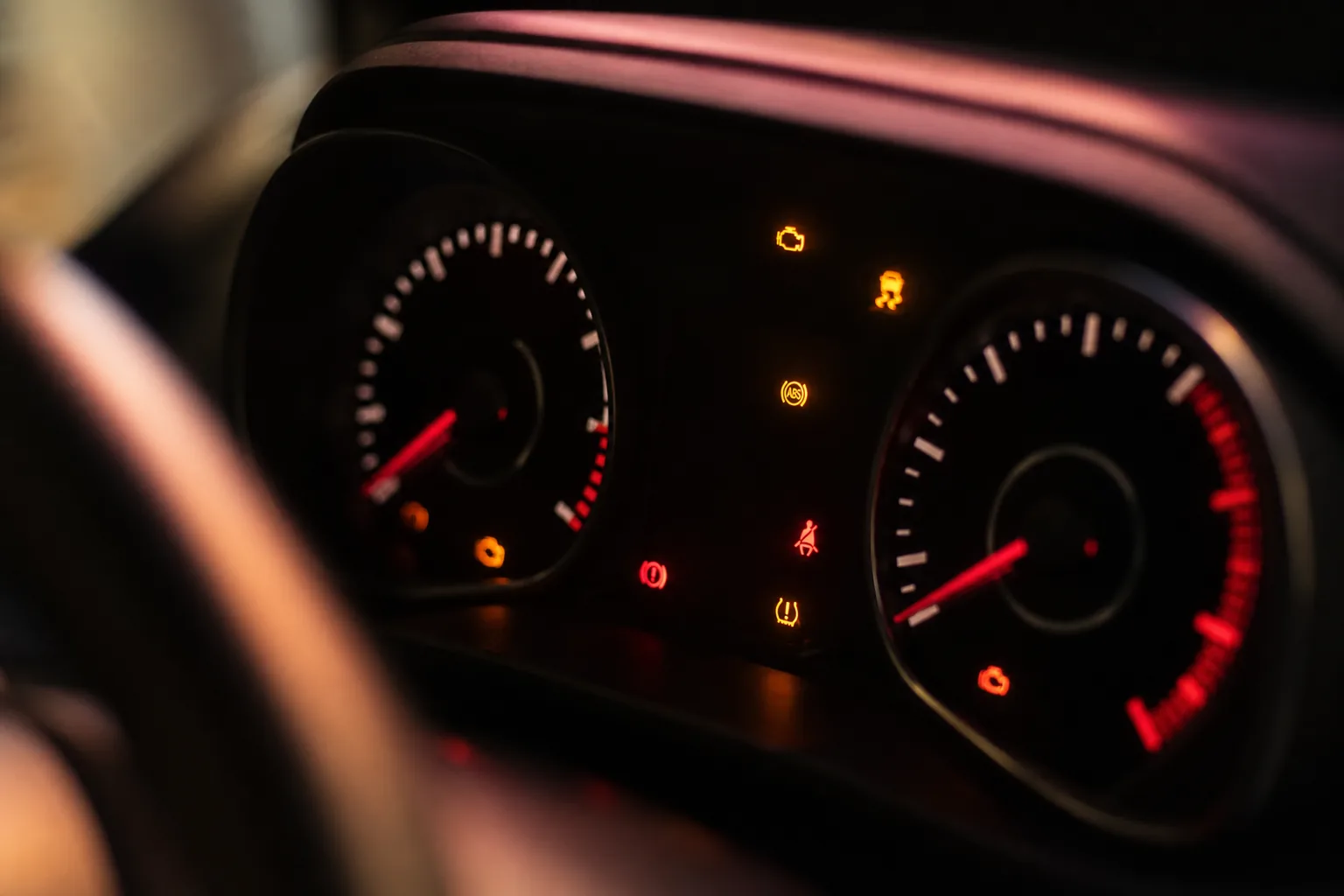
A steady check engine light does not always mean immediate danger, but it should never be ignored. The onboard diagnostic system stores fault codes that point technicians toward specific subsystems — fuel delivery, ignition timing, emissions controls, or sensor failures. A flashing check engine light is different: it typically indicates active misfires that can overheat the catalytic converter and cause costly downstream damage. If the light flashes, reduce load on the engine and schedule a diagnostic visit as soon as possible.
Rough Idle and Unstable RPM
An engine that shakes at idle or hunts between RPM levels often points to air-fuel imbalance, vacuum leaks, worn spark plugs, or failing ignition coils. Diesel engines may exhibit similar behavior when glow plugs or injectors begin to fail. While a rough idle might feel manageable during short trips, continued operation stresses mounts, exhaust components, and fuel system parts. Capturing live data during idle and under light throttle usually reveals whether the problem is isolated to one cylinder or systemic across the engine.
Misfires Under Acceleration
Hesitation, stumbling, or a noticeable loss of power when you press the accelerator suggests the engine is not firing consistently across all cylinders. Misfires can stem from worn ignition components, low fuel pressure, restricted injectors, or compression loss in a cylinder. Because misfires dump unburned fuel into the exhaust, they increase emissions and accelerate wear on the catalytic converter. Document when the symptom occurs — cold starts, highway merges, or uphill climbs — because that context helps narrow the diagnostic path significantly.
Unusual Noises and Smells
Knocking or pinging under load may indicate incorrect fuel octane, carbon buildup, or bearing wear. A ticking sound that rises with engine speed can trace to valvetrain issues or low oil pressure. Burning oil smell often accompanies blue exhaust smoke and suggests internal seal failure. Sweet coolant odors or white smoke after warm-up may point to head gasket concerns. Any new noise or smell that persists beyond a single drive deserves professional evaluation rather than waiting for it to resolve on its own.
Overheating and Oil Pressure Warnings
Temperature and oil pressure warnings are among the most time-sensitive alerts on your dashboard. Overheating can warp cylinder heads, damage head gaskets, and compromise engine block integrity within minutes of sustained operation. Low oil pressure may indicate insufficient lubrication due to low fluid level, a failing pump, or internal bearing wear. If either warning appears, pull over safely, shut off the engine, and avoid restarting until a technician confirms it is safe to do so.
What to Do Next
Early diagnosis saves both time and money. Note the exact symptoms, when they started, and any recent service or fuel changes. A structured scan, compression test, and visual inspection at a qualified workshop will identify whether you are facing a simple maintenance item or a developing mechanical failure. At keratinocyte, we prioritize accurate root-cause analysis over parts replacement — because treating symptoms without understanding the source often leads to repeat visits and unnecessary expense.