Pre-Purchase Inspection: A Buyer's Essential Checklist
A used vehicle purchase can represent significant value — or a costly mistake hidden behind fresh paint and a clean interior. Sellers may not disclose prior damage, deferred maintenance, or pending major repairs. A structured pre-purchase inspection conducted by an independent technician gives you objective data to negotiate fairly or walk away before committing.
Exterior and Structural Integrity
Start with panel alignment, paint texture, and gap consistency. Mismatched paint thickness or overspray may indicate prior collision repair. Inspect frame rails, subframes, and mounting points for bends, welds, or corrosion — especially in regions with road salt exposure. Check tire wear patterns for signs of alignment issues or suspension damage. Uneven wear on a single corner can trace to accident history or neglected steering components.
Underhood and Fluid Condition
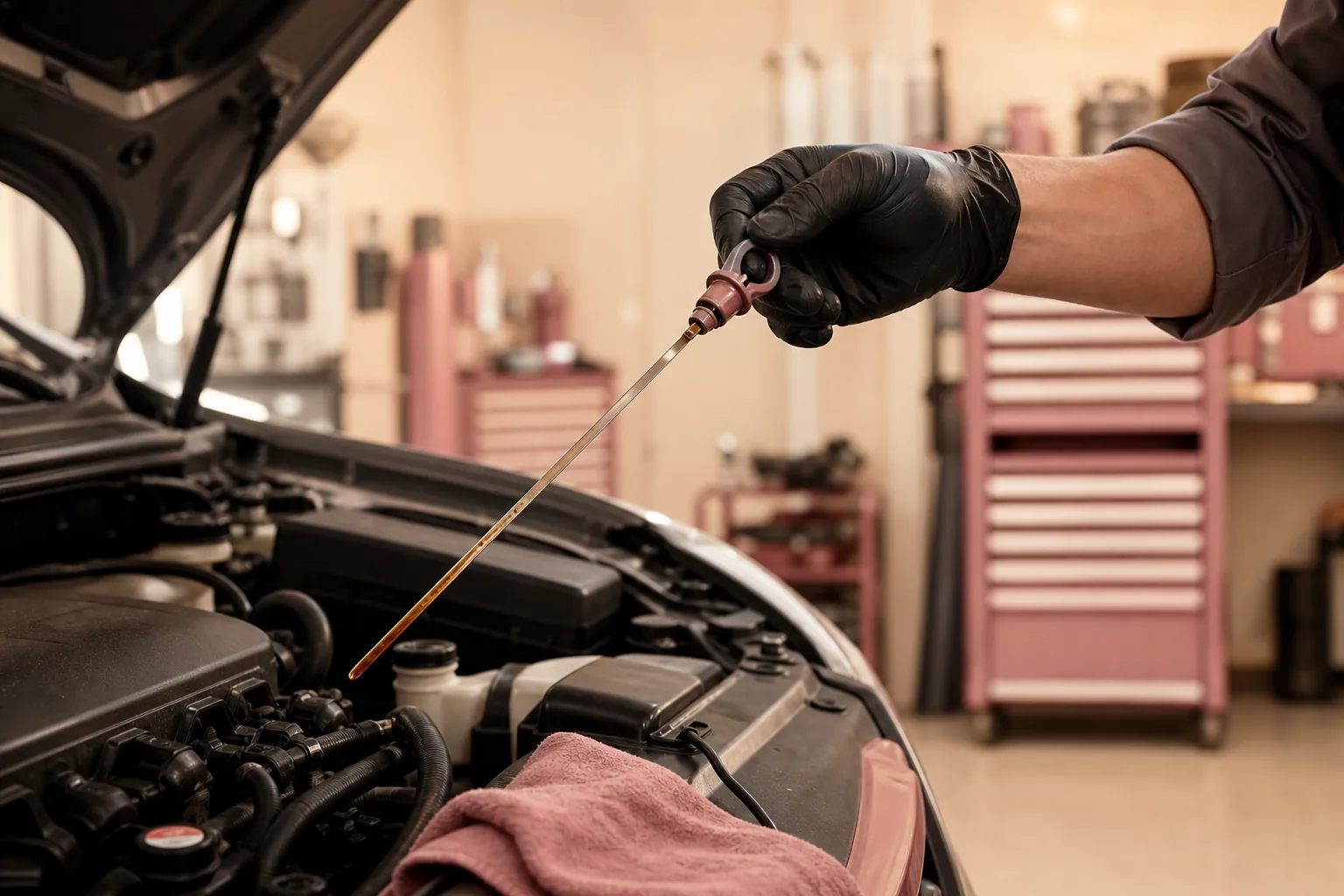
Engine bay cleanliness is not always a positive sign; it can mask leaks. Look for fresh residue around gaskets, hoses, and the transmission bell housing. Pull dipsticks and inspect oil, coolant, and transmission fluid color and level. Milky coolant or cross-contamination between fluids suggests head gasket or internal seal failure. Belts, hoses, and battery terminals reveal maintenance habits — cracked rubber and terminal corrosion often predict near-term service needs.
Diagnostic Scan and Road Test
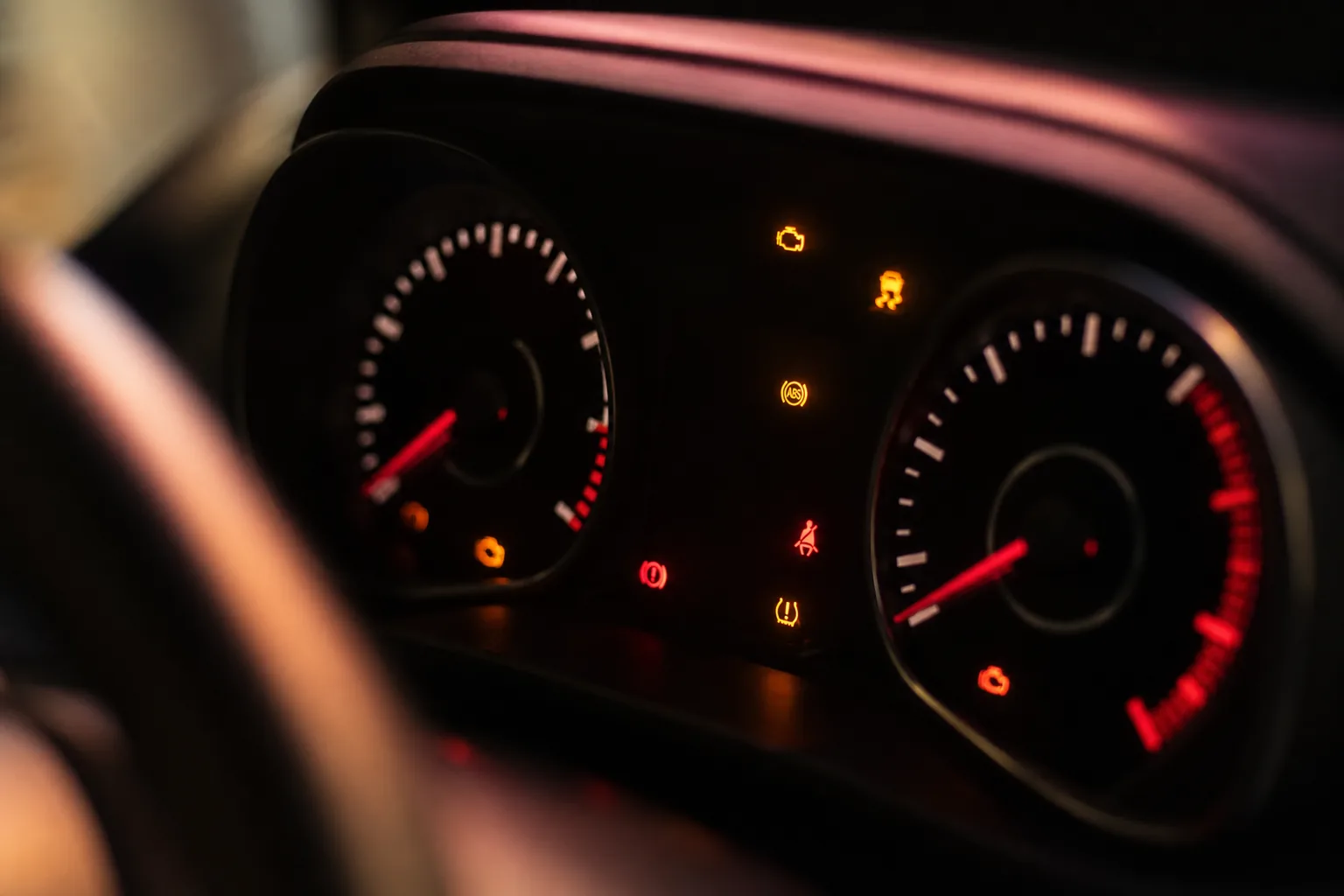
A scan tool retrieves stored and pending fault codes across engine, transmission, ABS, and airbag modules. Pending codes may not illuminate a warning light yet but indicate developing failures. During the road test, evaluate braking straight-line stability, transmission shift quality, steering response, and unusual vibrations at highway speed. Listen for wheel bearing noise, exhaust leaks, and suspension clunks over uneven surfaces.
Service History and Documentation
Request maintenance records, prior inspection reports, and title history. Gaps in documented oil changes or timing belt replacement on interference engines raise red flags. Verify that recall campaigns have been completed through manufacturer records. Odometer readings should align with wear on pedals, steering wheels, and seat bolsters — inconsistencies may suggest tampering.
Hidden Systems: Brakes, Suspension, Underbody
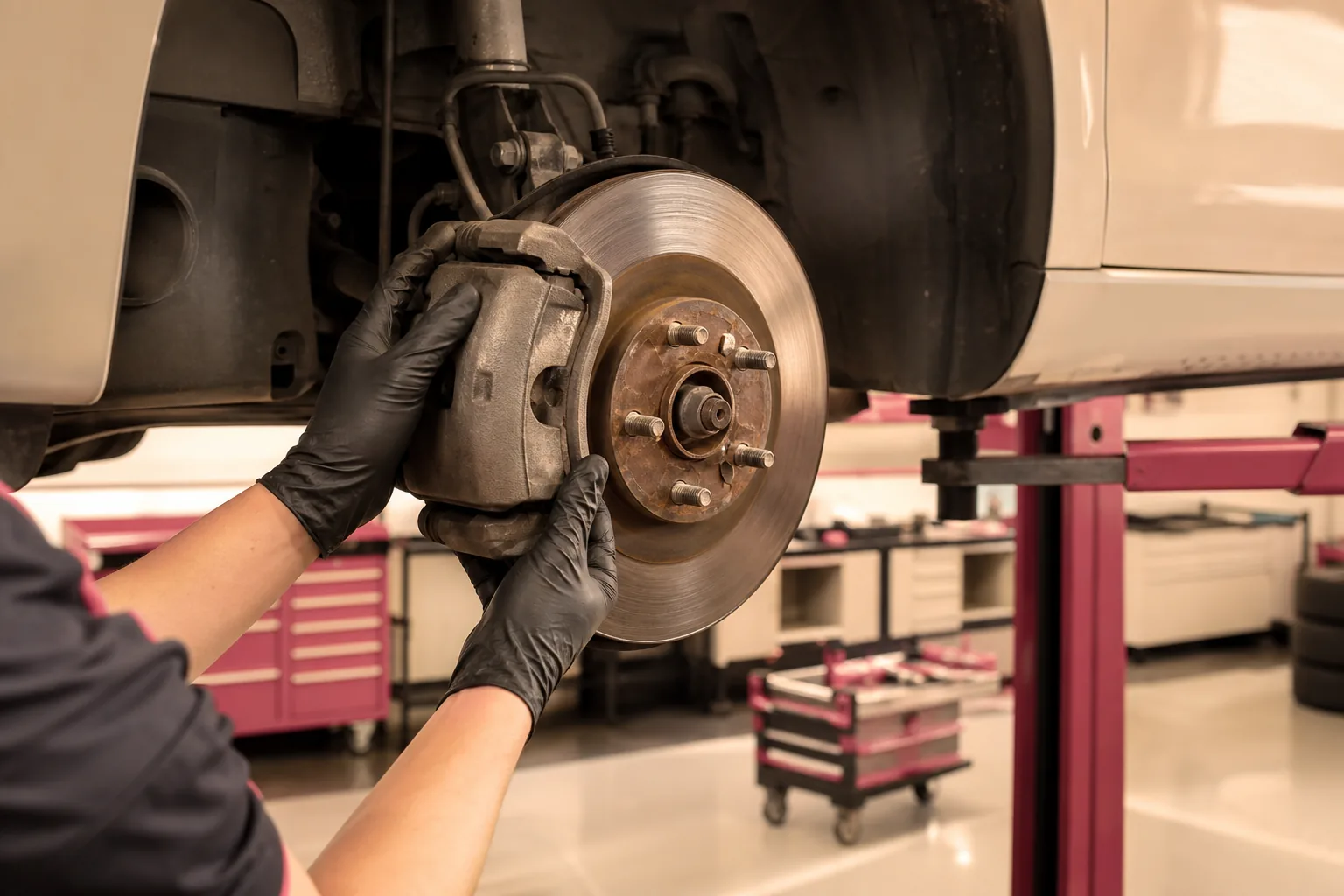
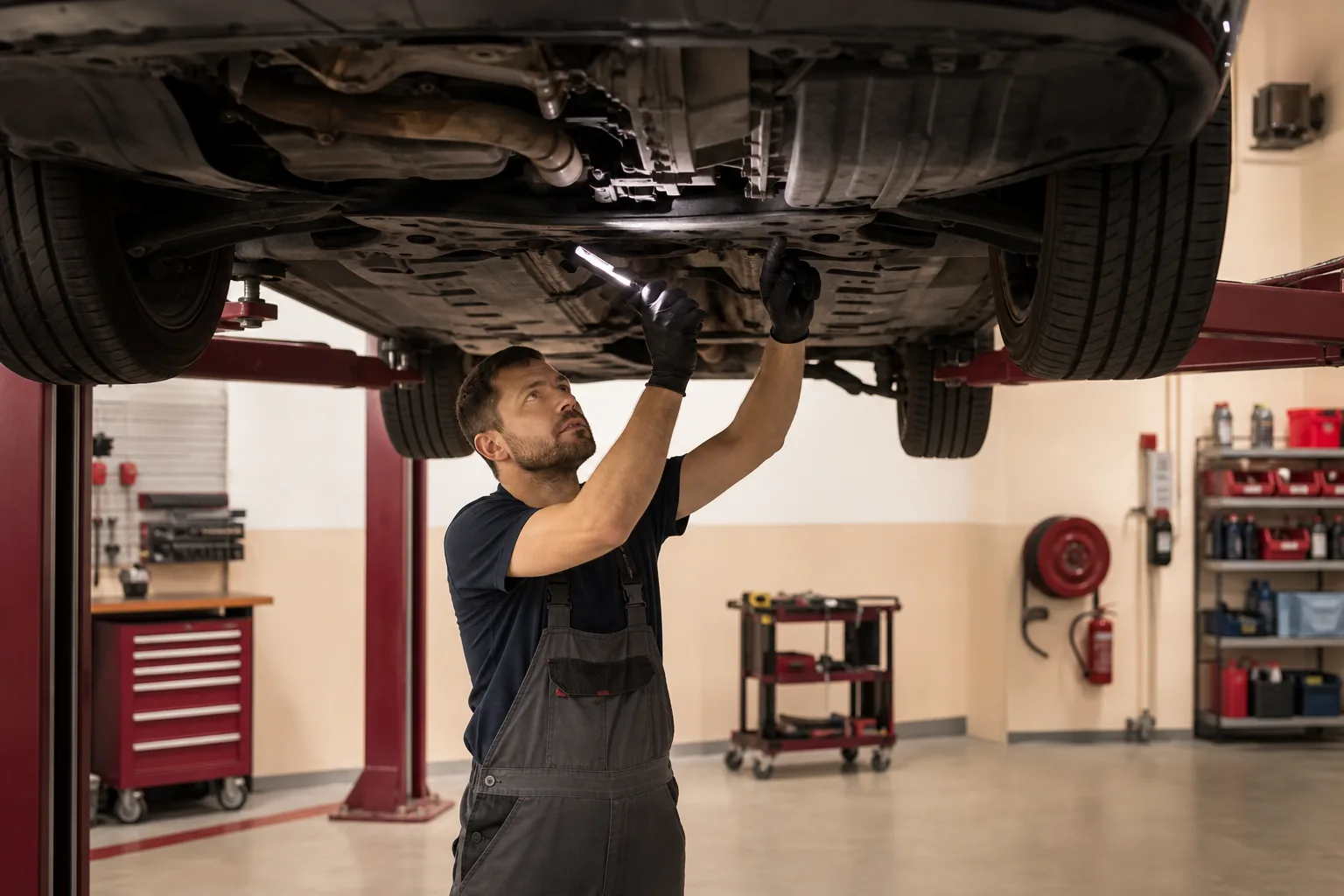
On a lift, technicians measure brake pad and rotor thickness, inspect caliper operation, and check for leaking wheel cylinders or lines. Suspension bushings, ball joints, and tie rod ends show play that affects safety and tire wear. Underbody inspection reveals rust perforation, exhaust damage, and fluid leaks from differentials or transfer cases on all-wheel-drive vehicles. These areas are invisible during a casual lot walk-around.
Using Inspection Results in Your Decision
A written inspection report with photos and measurements becomes a negotiation tool or a clear reason to decline the purchase. Factor identified repairs into your total cost of ownership rather than focusing on purchase price alone. At keratinocyte, we perform pre-purchase inspections with no affiliation to the seller — our only goal is to give you an accurate picture of the vehicle you are considering before you sign.